


Each operator seeking to to offer the 7s Deluxe slot game to UK players requires a tech foundation that goes beyond just making it work. It turns into a fundamental aspect of the business, governed equally by law as by player demand. The UK Gambling Commission establishes strict rules covering security, fairness, and player protection. These rules shape the technology behind the scenes. To host this traditional slot game dependably, it requires an infrastructure built for consistent performance, high-level protection, and seamless integration into a UK-licensed business.
Primary Server Structure and Deployment
Everything starts with the infrastructure. The decision between cloud-based hosting, local hardware, or a blend of both will impact both speed and your capacity to meet the rules. When targeting a UK audience, data location is a compliance issue. Player data and the game servers in full should sit physically within the UK or the European Economic Area. This complies with data laws like UK GDPR. It also has a key benefit: it reduces delay for players in Britain, so the reels run and bonuses activate without noticeable lag.
You should not afford service interruptions. This involves building redundancy, with backup systems distributed across different data centers. The goal is to maintain the game running even if equipment fails or player count suddenly increase. The systems must be optimized to handle the game’s graphics and its real-time calculations, delivering a consistent session whether someone is playing on a phone in Manchester or a laptop in Cardiff. Accounting for traffic is a ongoing job. You need to test under significant load and get ready for high-traffic times like weekends or big football matches, when visitors to casino sites swells.
Encryption & Data Protection
For a UK gaming site, security is not a capability you add on. It is the basis. The infrastructure for 7s Deluxe demands several layers of defence. Network protections like firewalls and intrusion detection systems are required. They aid stop DDoS attacks and other violations. Regular checks for weaknesses are aspect of the regular process. All data, whether travelling across the network or saved on a disk, must be encrypted to a high level. If intercepted, it should be unreadable.
Following UK GDPR requires having clear rules on data. Operators must specify the legal basis for collecting player data, set schedules for how long they retain it, and have a system for when a player demands to see their own data. Financial particulars and personal details from UK customers demand the strictest access restrictions. Only personnel who definitely need to see this data should be capable to access it.
Conformity with UK Gambling Commission Standards
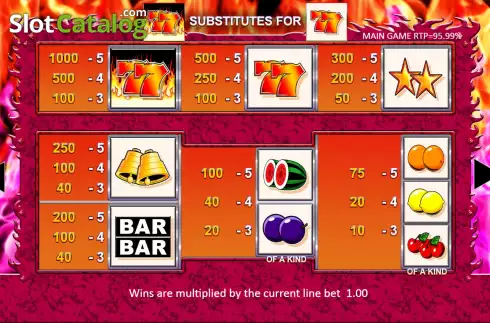
The UKGC’s technical standards shape infrastructure choices. These rules exist to guarantee fair games, stop financial crime, and protect players from harm. The technical environment for 7s Deluxe must bake these obligations into its design from the start.
- Random Number Generator (RNG) Certification: The heart of the slot remains its RNG, which decides every spin outcome. It has to be tested and certified by a UKGC-approved lab, such as eCOGRA or iTech Labs. This certificate is never permanent; it needs renewing on a schedule.
- Anti-Fraud and AML Systems: The setup must include monitoring tools that watch betting patterns live. They scan for signs of bonus fraud or money laundering, generating reports for compliance teams as needed.
- Player Protection Tools: The systems need to allow players to set deposit limits, take a time-out, or self-exclude via GAMSTOP. When a player activates these tools, they need to take effect immediately, both on the 7s Deluxe game and across the whole platform.
- Age and Identity Verification: Before anyone can deposit money, thorough identity checks are required. The infrastructure must integrate with electronic verification services to perform these Know Your Customer checks swiftly and reliably.
On top of this, every transaction and game event has to be logged. These logs establish an unchangeable record for audits or if a player disputes a result. They capture a complete timeline of what happened in the game, from both the player’s and the system’s perspective.
Casino Game Connection and API Requirements
Getting 7s Deluxe to operate within an established casino platform requires connecting different elements of software. This is done through Application Programming Interfaces, or APIs. The game software, typically from a third-party provider, has to interface cleanly to the operator’s own systems. Multiple API connections handle the vital functions.
- Wallet API: This handles money. It bridges the game session to the player’s account, processing deposits, bets, and withdrawals securely and immediately.
- Game Launch API: With one click, this validates the player’s identity, location, and age. It then starts the game immediately in their browser or app.
- Reporting API: Operators use this stream of data. It delivers details on game rounds, amounts staked, wins, and player activity for business reports and regulatory oversight.
- Bonuses and Promotions API: This link allows elements like free spins or prize multipliers on 7s Deluxe to be triggered and managed according to the casino’s own promotional rules.
Every bit of communication between these APIs must be secured. Encryption using TLS 1.2 or better is the norm, alongside rigorous authentication to block illegitimate access. The integration also has to meet particular UKGC rules. Reality check reminders and a complete game history must be available to the player, whether inside the game itself or on their account page.
Payment System Integration for UK Players
UK players have firm preferences for how they transfer money online. The payment solution must connect to a variety of processors that support those preferred methods. This encompasses debit cards from Visa and Mastercard, direct bank transfers using Open Banking or BACS, and popular e-wallets like PayPal and Skrill.
Each payment link needs its own protection. Card payments should use 3D Secure 2.0 authentication, a requirement of the Strong Customer Authentication rules under PSD2. While some sites work with multiple currencies, a UK-focused one will mainly use British Pounds Sterling. The system must process any currency conversion accurately. How fast you process withdrawals is very important. It is a point of competition and is watched closely by the UKGC as part of treating customers fairly.
Network Dependability and Content Serving
The standard of the network makes or breaks the player’s experience with 7s Deluxe https://7sdeluxe.co.uk/. To transmit the graphics and animations seamlessly, operators often leverage a Content Delivery Network, or CDN. A CDN caches static parts of the game, like image and sound files, on servers placed around the country. This implies a player in Newcastle obtains those assets from a nearby server, not from a central one hundreds of miles away, which cuts loading times.
Having a single network connection carries risk. Operators should use multiple internet providers and peering agreements. If one path becomes unavailable, traffic can move to another. Constant surveillance of network health, watching for packet loss or jitter, allows teams address problems before players detect. The aim is a consistently responsive game. Even small delays can make the slot seem sluggish and diminish enjoyment.
Tracking, Metrics, and Backup Systems
Running this operation seamlessly needs constant monitoring. The infrastructure for 7s Deluxe needs round-the-clock tracking. Platforms should track server health, API speed, error numbers, and transaction success rates. Automated notifications can notify engineers the instant something seems off, allowing them act before a minor problem turns into a widespread problem. This preserves service excellence and player loyalty.
Backup systems are equally vital. All critical records, from player profiles to financial records, must be duplicated regularly. These backups should be stored in secure, external facilities. A documented disaster recovery protocol is critical, and it should be validated. This framework defines how rapidly services must be brought back after a major outage, minimizing both outage time and potential data loss.
Expandability for Future Development and Functionality
The initial design should accommodate expansion. As more players join 7s Deluxe, or as new options are introduced, the system must expand without a complete overhaul. This can involve scaling out, or up. Tools like Docker containers, managed by tools such as Kubernetes, are useful here. They allow you adjust individual parts of the game system efficiently.
A cloud-based approach often meets this need. It enables on-demand resource allocation. When a marketing campaign takes off or during a holiday period, the platform can absorb the surge in players. The performance of 7s Deluxe stays stable, providing a solid base for growing a business in the crowded UK market.
Mobile Optimization and Cross-Platform Performance
Most UK players will employ a phone or tablet. Delivering 7s Deluxe to these devices requires specific optimisation. It is not just making the website fit a small screen. The game client itself must be efficient, loading fast over mobile networks. The controls, like the spin button and bet adjuster, need to function perfectly with a touch screen. The backend should send smaller image files to mobile devices, preserving data and battery life.
Consistency across devices is crucial. A player might initiate a session on an iPhone app, then later transition to an Android browser or a Windows PC. Their game progress, balance, and settings must track them seamlessly. This needs smart session management and reliable connectivity built into the infrastructure. It fulfills the expectation of today’s mobile-focused player for a consistent experience wherever they play.